The short version
Modern homes already have capable energy hardware. What they lack is coordination. GridPassport is being built so the home can decide when to use, store, buy or export energy without turning its owner into a full-time operator.
I did not start GridPassport because my hardware was bad. I started it because good, disconnected devices kept producing bad outcomes for the home.
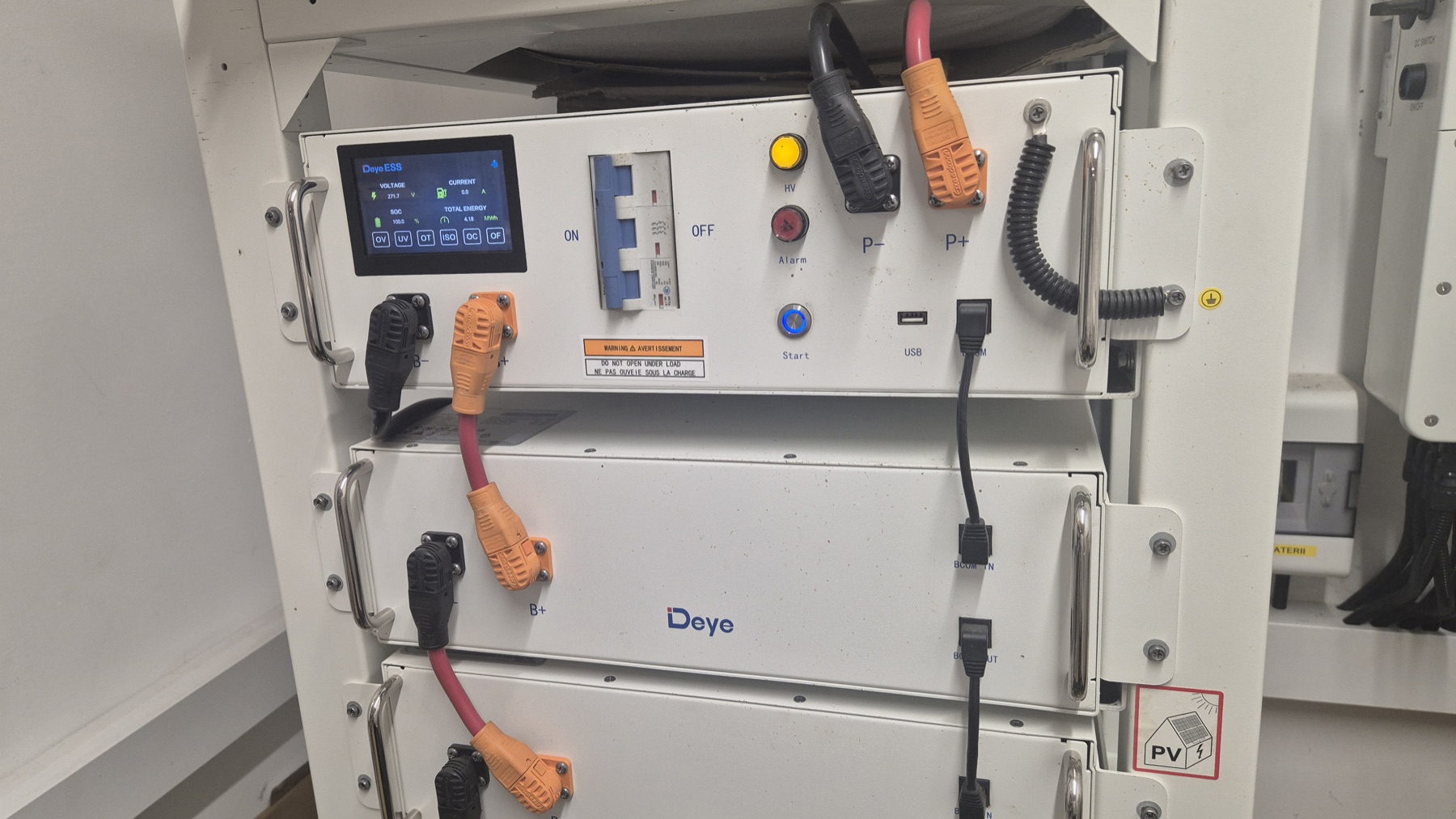
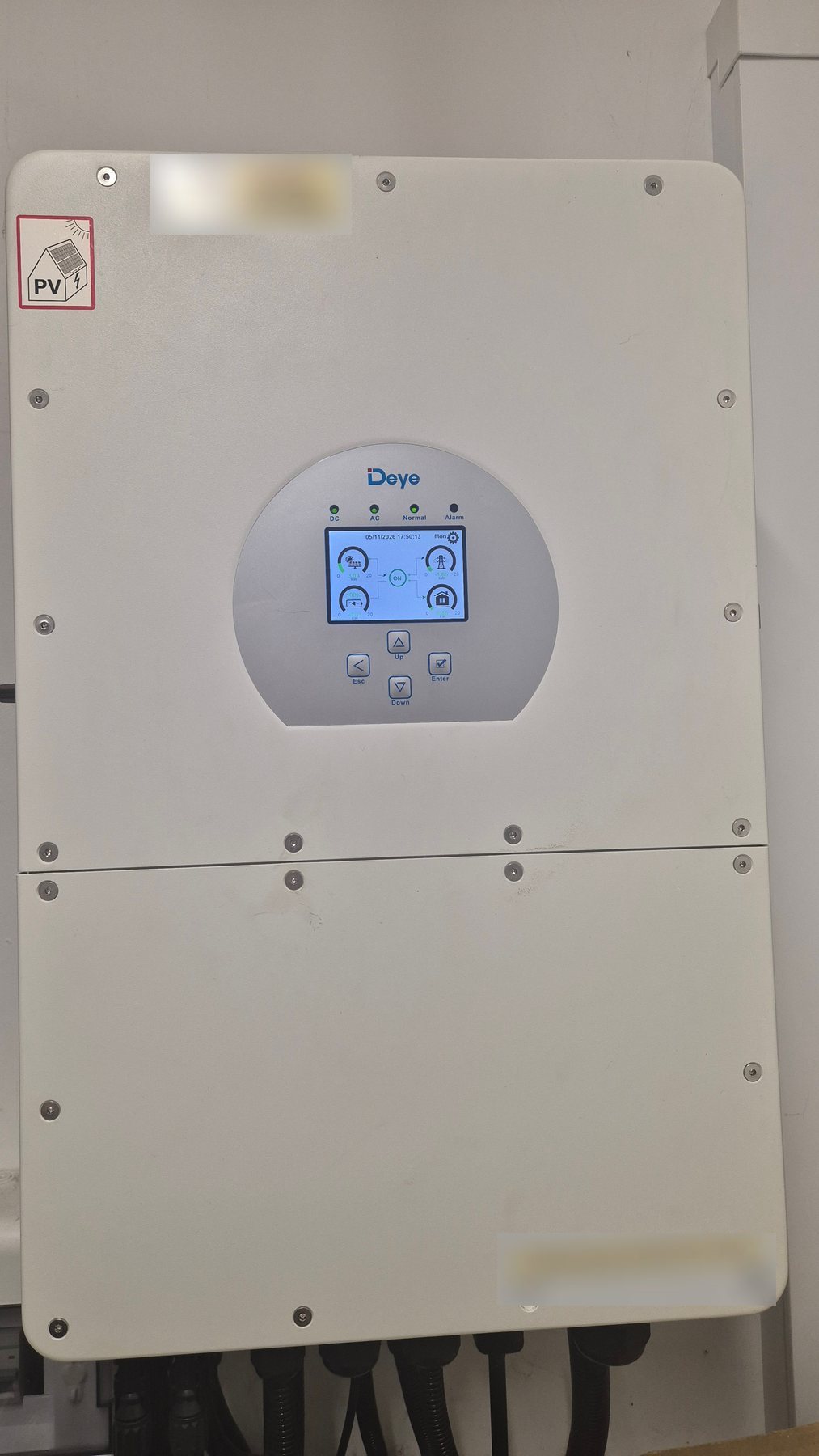
The inverter charged the battery before a sunny day. The heat pump ran a heavy cycle after solar production ended and just before cheaper electricity began. The air conditioner ignored the hours when surplus solar could have cooled the house at very little additional energy cost.
Every device was following its own rules. Nobody was deciding what made sense for the household.
Good devices can still make bad decisions
A modern home may already have solar panels, an inverter, a battery, a heat pump, air conditioning, a hot-water tank and an EV charger. Each can be excellent at its own job.
The inverter sees solar and the battery. The heat pump sees temperature and a schedule. The charger sees the car. None of them normally sees the complete household decision: tomorrow's weather, the next price window, expected demand, battery reserve, other flexible loads and the owner's priorities.
Local decisions can all be reasonable and still produce a poor result. The household pays for the missing coordination.
A battery needs tomorrow's plan, not a fixed rule
Some nights it makes sense to charge a home battery from the grid. Tomorrow may be cloudy, and cheap electricity now can protect the household from expensive imports later.
On other nights, the same rule is wasteful. If tomorrow will be sunny, the battery needs space for solar. Starting the day full can mean exporting cheap surplus and buying energy back later.
Inverter schedules and operating modes help, but the right target changes with weather, prices, expected consumption and the reserve the household wants to keep.
How much energy should this specific home have in the battery tomorrow morning?
That is the decision GridPassport is built to make repeatedly: not a universal yes or no, but the right target for this home on this day.
A heat pump cannot see the whole home
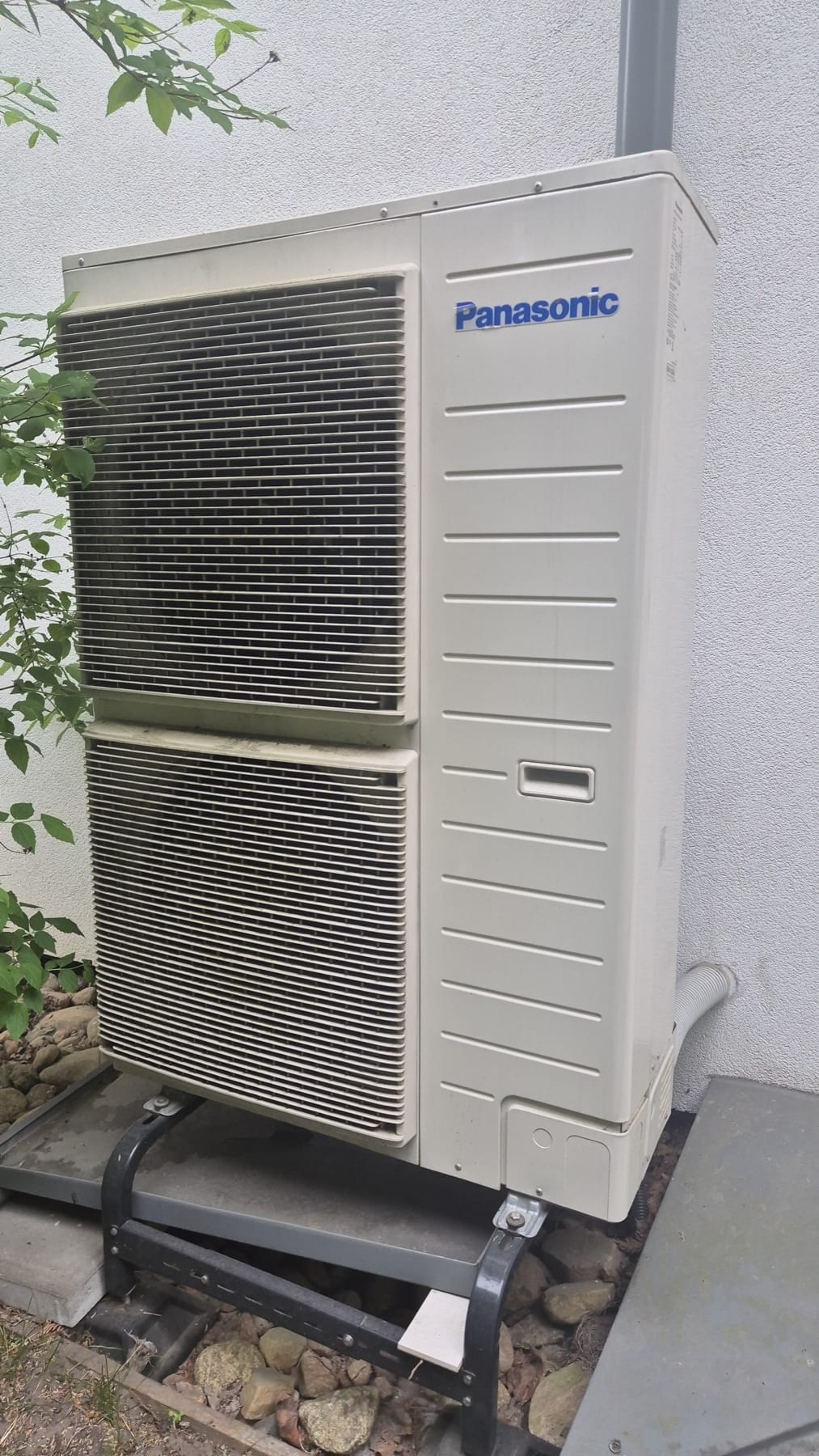
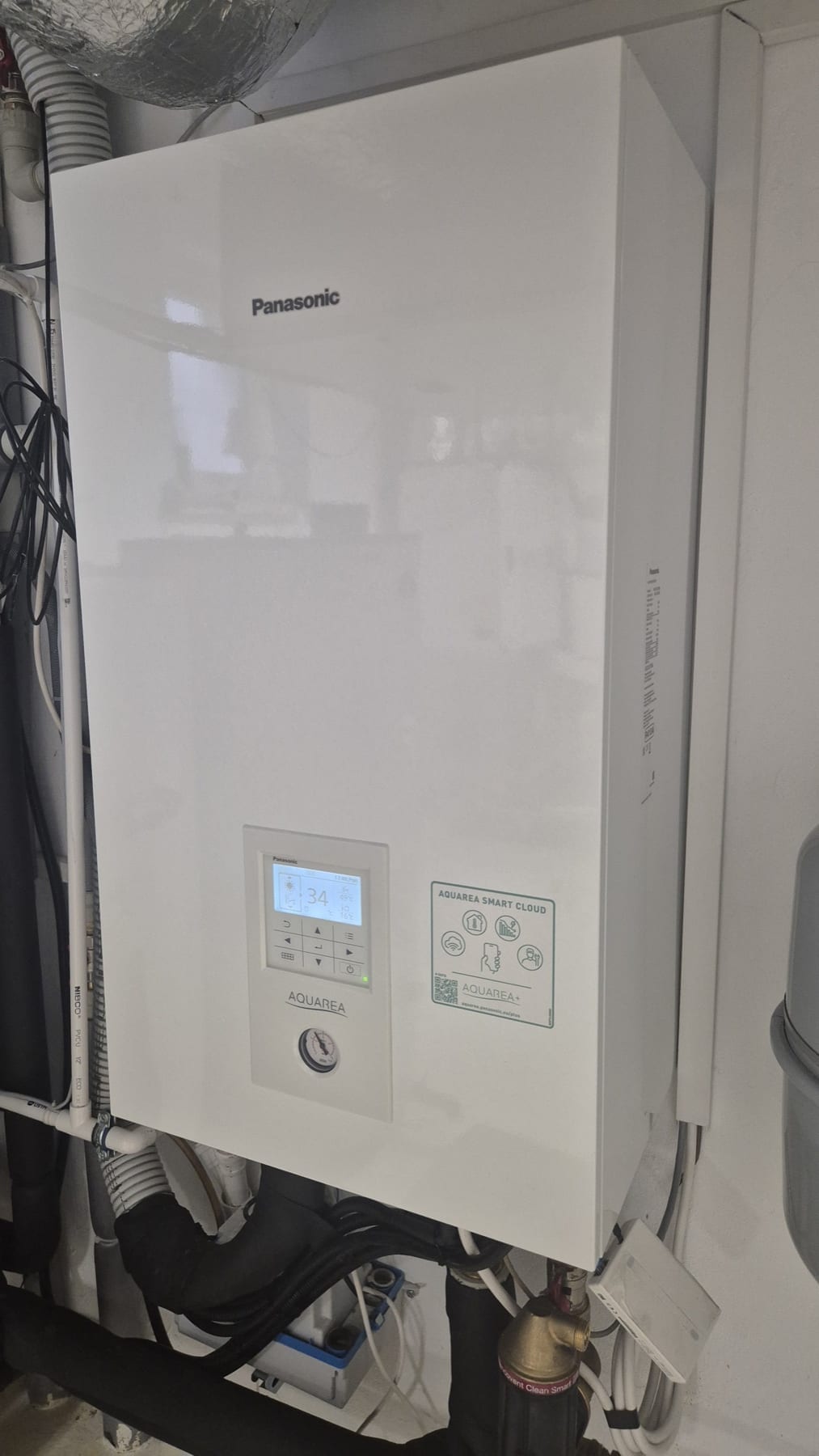
A heat pump can manage temperature and hot water efficiently. It usually cannot see the solar forecast, battery state, electricity tariff or what other large loads are about to do.
In my home, high-load hot-water cycles sometimes began after solar production had ended and shortly before cheaper electricity started. The cycle was needed. The timing was not.
The heat pump was not wrong. It was missing context.
That is not a failure by the heat-pump manufacturer. Building safe, efficient heating equipment is already a difficult job. Coordinating it with every inverter, tariff, weather forecast and household preference is a separate job.
Real admin panel screenshots
Four Sundays, the same blind spot
Many heat-pump hot-water systems run a regular hygiene cycle that heats the tank to reduce Legionella risk. The cycle makes sense. In my house, its timing often did not: after solar had gone, during expensive import hours and shortly before cheaper power started at 22:00.
The controller knew it was Sunday and the tank needed heating. It did not know that an earlier or later hour could have served the same safety requirement at a lower household cost.
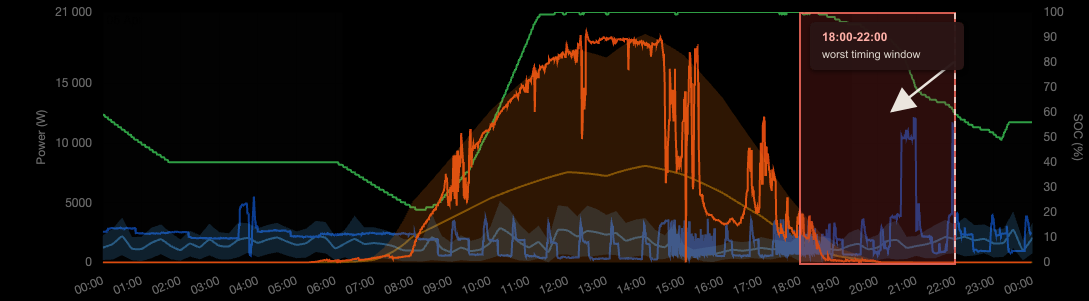
5 Apr 2026: above 10 kW after sunset
The load climbed above 10 kW after PV had fallen away and before cheap hours began. The cycle was necessary; this timing was not.
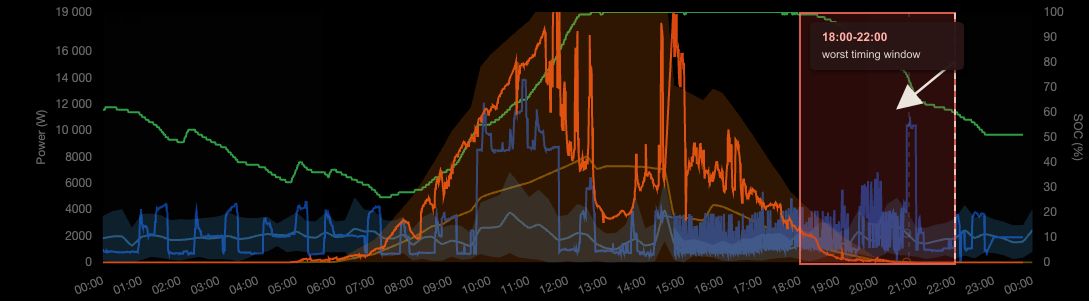
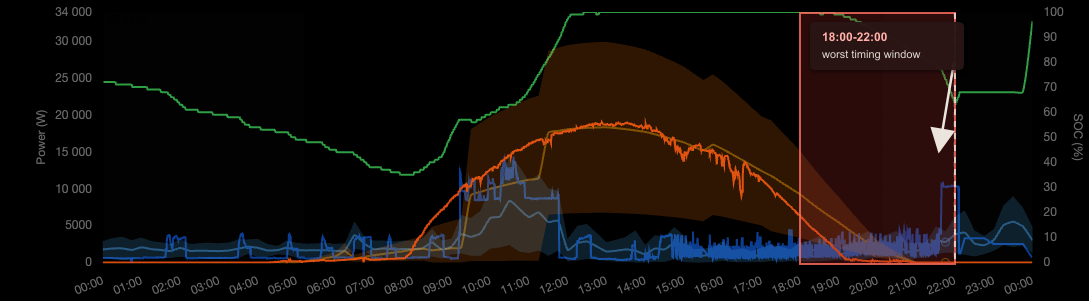
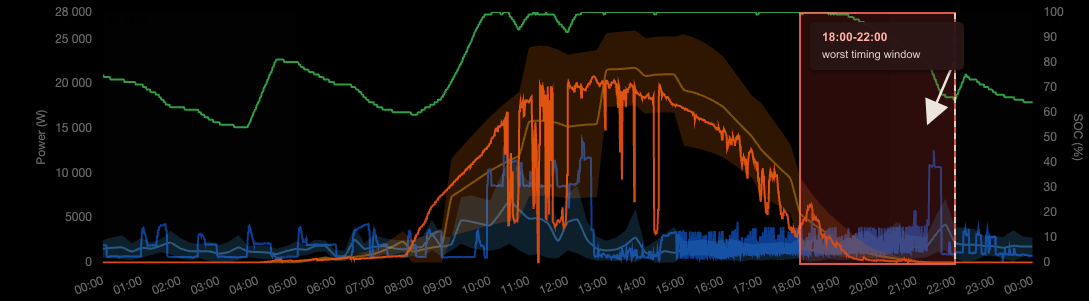
Yes, these are screenshots from a real first version of the GridPassport admin panel.
Cooling can store comfort
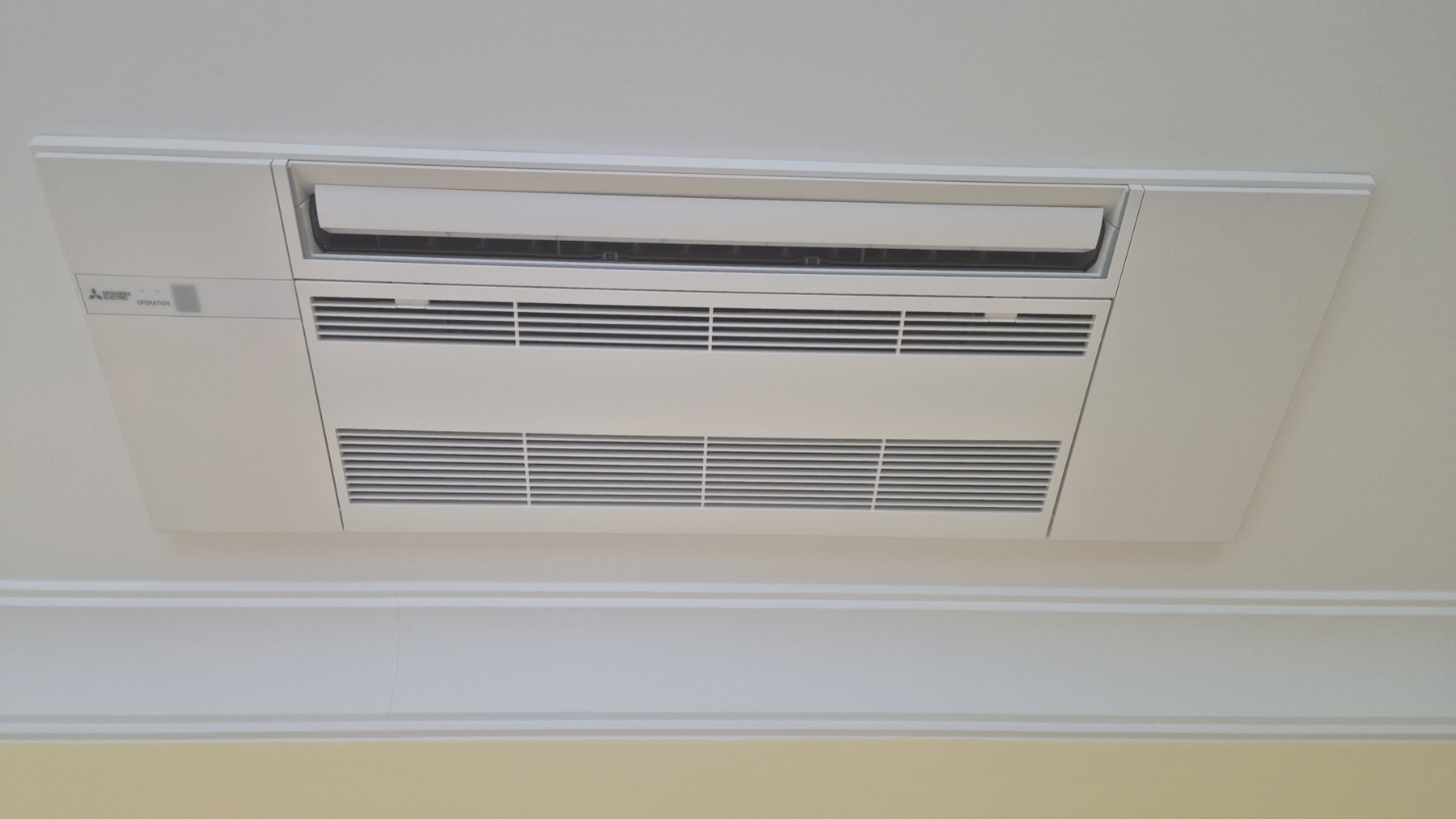
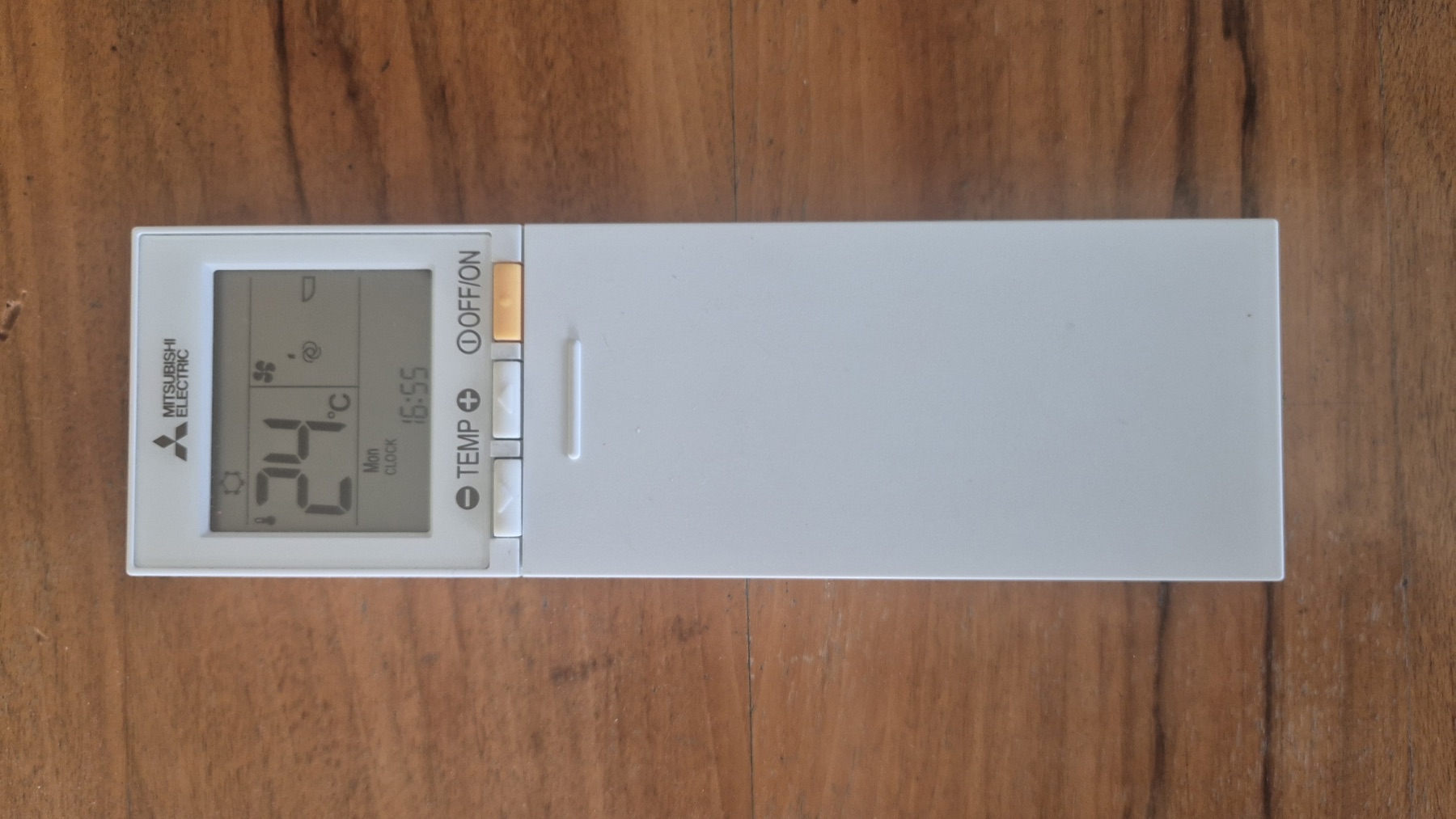
On a hot sunny day, a home may have surplus solar at midday and need cooling later, when electricity is more expensive. Within the owner's comfort limits, pre-cooling can shift part of that demand to the better hours.
This is thermal energy shifting, not a literal battery. The building's air, walls and floors retain some of the cooling. The useful decision is how much to pre-cool without wasting energy or compromising comfort.
A home already has several forms of flexible energy
The electrical battery is only the most obvious flexible asset. A well-coordinated home can also use:
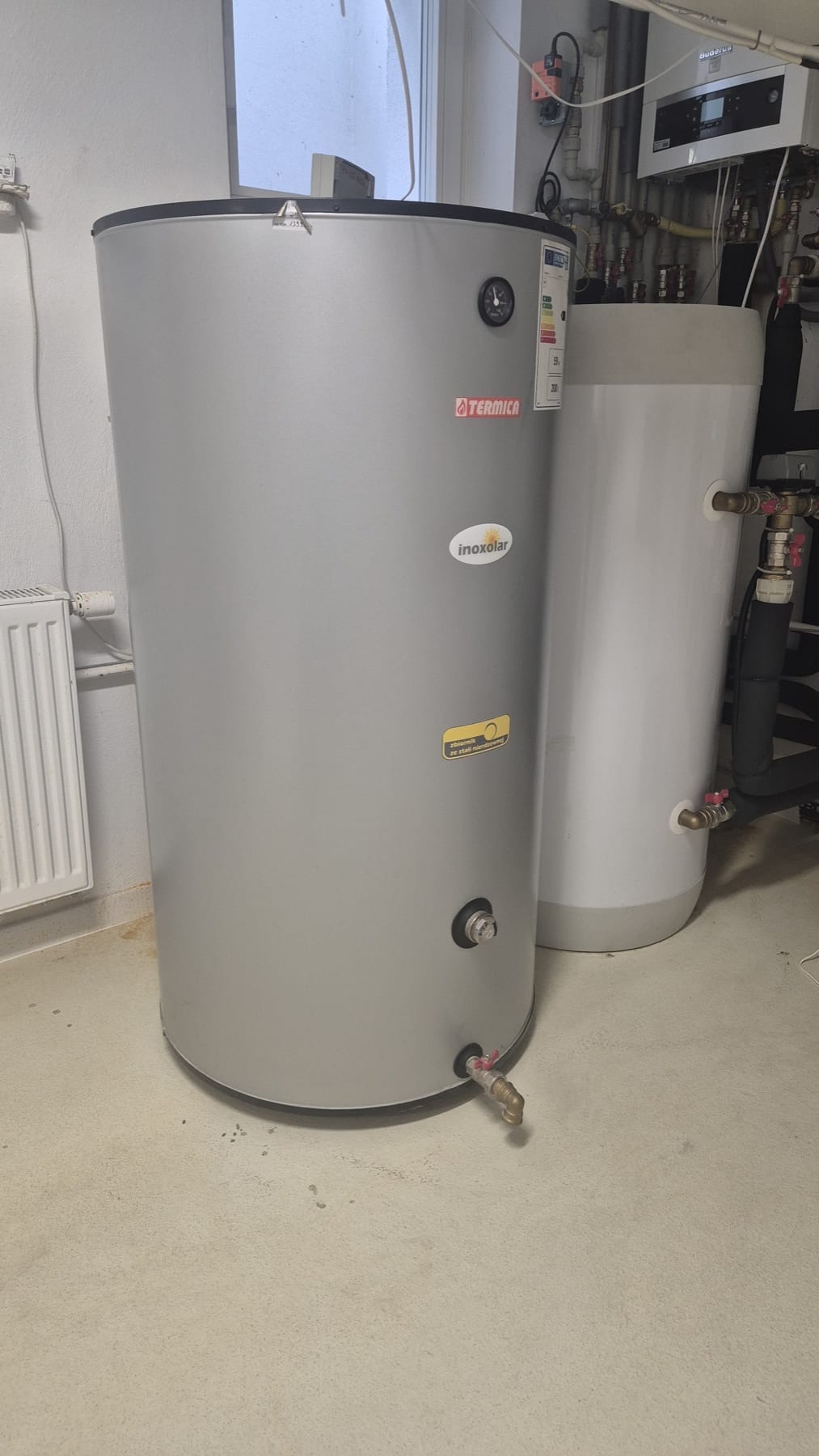
- A hot water tank stores energy as heat.
- The building's thermal mass can shift part of heating or cooling demand.
- An EV charger can move charging while still meeting a departure target.
- A home battery can balance self-consumption, tariff value and backup reserve.
These assets have different constraints, but they share one energy reality. The home needs one plan that respects all of them.
Monitoring is useful. It is not the finish line.
I like energy charts. They help explain a problem, verify a change and reveal what a device actually did. But another dashboard is incomplete if it shows the mistake and leaves the owner to prevent it next time.
A dashboard tells you what happened. Automation should change what happens next.
The owner should set priorities and boundaries: comfort, reserve, charging deadlines and acceptable risk. The software should do the repetitive work of checking forecasts, prices and device state, then verify that the expected effect occurred.
Home Power Automation names the coordination capability
An energy management system (EMS) is the broad technical category. A home energy management system (HEMS) applies it to a household. We propose Home Power Automation as a capability profile for coordinating at least two controllable home energy systems across time.
GridPassport is our attempt to implement that capability across manufacturers. It combines device state with forecasts and tariff signals, applies comfort, reserve and owner requirements, decides what each supported system should do and when, then checks whether important actions worked.
This is different from a one-brand device app, a fixed schedule or a dashboard that only reports energy flows. The essential idea is coordinated, time-aware decisions with declared household limits and visible outcomes.
What GridPassport can do today
GridPassport is early. It is not yet a universal system for every home and every device.
The most mature part currently plans and controls inverter and home-battery behaviour. It uses live data, solar forecasts, tariff context and reserve rules to decide when charging, discharging, waiting or exporting makes sense.
The first deployment runs on a Deye three-phase hybrid inverter and home battery. Its 129-day case study documents the results and limitations rather than presenting one saving as a promise for every home.
Air-conditioning control is next because cooling demand often overlaps with solar production and can move within comfort limits. Heat pumps, hot water, EV charging and more inverter and battery brands follow. Some integrations will be simple; others will require deeper or wired access.
We are building in real homes, with real devices and real bills. We will expand support only where we can control equipment safely and verify the result.
Why this matters beyond one home
In one home, poor timing is an avoidable cost. Across many homes, the same pattern becomes unnecessary demand during expensive or constrained hours and missed use of local solar.
Not every load can move, and comfort must come first. But batteries, hot water, EV charging and some heating or cooling demand often have flexibility. Coordinating that flexibility can help the household and reduce pressure at the worst times.
The opportunity does not depend on people watching more charts. It depends on homes making better routine decisions automatically.
The moment it became real
After nine months of work and several early versions, one GridPassport release finally changed how my own home felt. I stopped checking whether every battery decision made sense.
First came relief. The system was taking care of the home instead of asking me to operate it.
Then came trust. GridPassport was making decisions I could inspect and explain, but no longer needed to reproduce by hand every day.
The battery stopped charging to 100% when the forecast did not justify it. When a full charge made sense, it charged fully. Export happened when the tariff made it worthwhile, not simply when a fixed inverter rule allowed it.
That is the product I wanted in my own home. Now we are working to make it useful in other homes without hiding how early it still is.
If your home has the same problem
If you have solar and a home battery, you are close to the first kind of home we want to understand deeply. Air conditioning, a heat pump, hot-water storage, EV charging or a dynamic tariff make the coordination problem even more interesting.
GridPassport may not support your setup yet. Early members help us decide which integrations matter and give us real conditions to test against.
Good hardware is not enough. A modern home needs one shared plan for power. That is why we are building GridPassport.